 .
.
Intimacy is often imagined as something between people — a closeness of touch, a whisper of trust, a shared silence that feels safe. But intimacy is also the language of the earth. Roots intertwine beneath the soil, rivers carve paths through stone, wind scatters seeds across distances. It is the bond between human and nonhuman, a relationship we too often forget.
I grew up in Namibia, in Ariamsvlei, a landscape where absence was visible. Dry red Kalahari sand cracked underfoot, camelthorn and quiver trees stood skeletal against the horizon, and the silence of vanished sociable weaver birds left the mornings strangely hollow. This absence was not only ecological — it was spiritual. Without intimacy with the earth, we lose ourselves. We consume without listening, build without reverence, and live without noticing the quiet voices of creation.
The consequences of this absence are everywhere: species lost, rivers poisoned, forests cut down. But the deeper consequence is within us. We lose the ability to feel connected, to belong to something larger than ourselves.
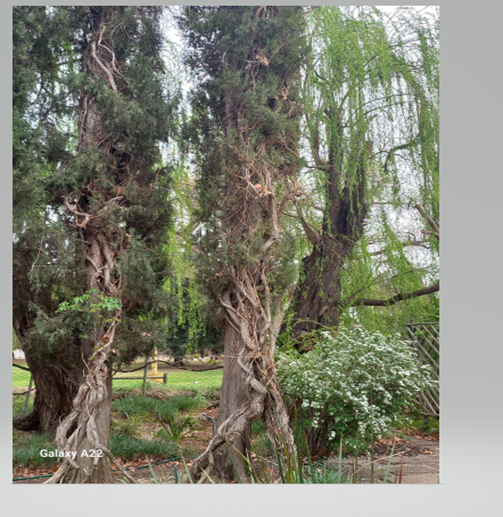
My journey back to intimacy began with touch. One afternoon, I placed my hand against the bark of a camelthorn tree near the Orange River. Its surface was rough, scarred by years of wind and sun. Yet beneath that roughness was life — sap rising, roots stretching, branches reaching. I realized that intimacy with the earth begins with contact. To touch is to acknowledge, to remember that we are not separate but part of a living web.
The smell of rain on red Kalahari sand, the taste of nara fruit gathered near the dunes, the sound of bees threading through acacia blossoms — these are not just sensory experiences. They are invitations. They remind us that intimacy is not abstract; it is embodied.
Intimacy also requires listening. In a world filled with noise, silence can feel uncomfortable. But silence in Namibia’s desert is not empty — it is full of presence. Sitting by the Orange River, I began to hear what I had missed: the rhythm of water against stone, the rustle of grass, the distant call of a fish eagle.
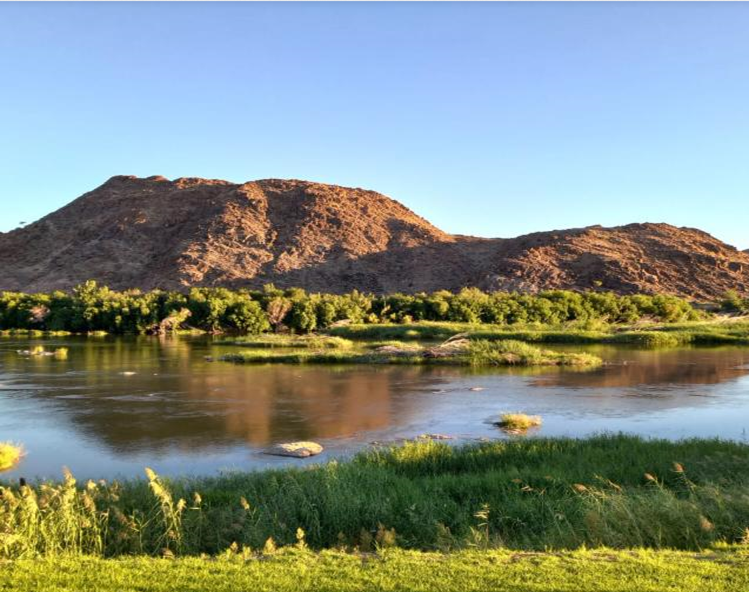 Orange River – wide view of the water flowing through the desert
Listening taught me that intimacy is not about possession but about attention. The earth does not demand ownership; it asks for recognition. To listen is to honor.
How, then, can we cultivate intimacy with the earth? For me, it has meant slowing down. Walking instead of rushing. Planting instead of consuming. Observing instead of ignoring.
It has meant rituals of care: watering a small garden in Ariamsvlei, tending to soil, protecting a tree. These small acts are not insignificant. They are gestures of intimacy, ways of saying: I see you. I honor you. I belong with you.
Namibian traditions also reflect this intimacy. Date harvesting along the riverbanks, water rituals in arid communities, and the careful tending of livestock in desert conditions all embody a relationship of care and reciprocity with the land.
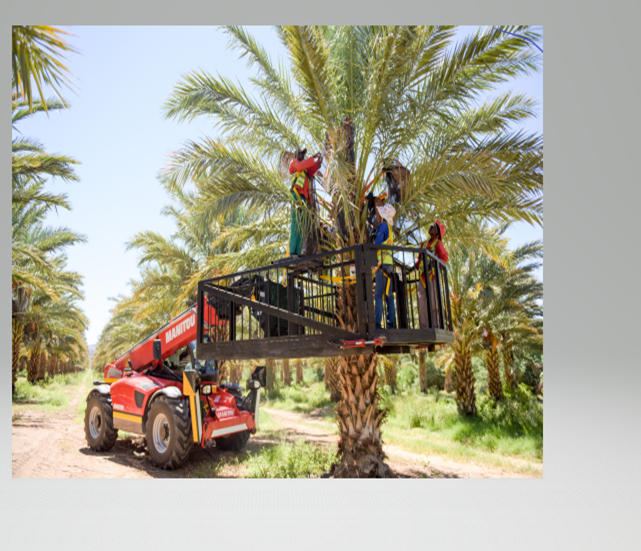
Intimacy with the earth gives us resilience. In moments of despair, I find strength in the persistence of roots, the patience of rivers, the quiet endurance of stones. It gives us humility, reminding us that we are not the center but part of a vast, interconnected creation. And it gives us hope, showing us that renewal is possible even after devastation.
But intimacy also asks something of us. It asks for vulnerability — to admit our dependence, to acknowledge our failures. It asks for responsibility — to protect what is fragile, to restore what is broken. And it asks for reciprocity — to give back as much as we take.
In an age of ecological collapse, intimacy is not a luxury; it is a necessity. Without it, we remain estranged, disconnected, lost. With it, we may yet find healing — for ourselves, for our communities, and for the earth itself.
The roots of intimacy run deep in Namibia’s soil. They remind us that we are not alone, that we belong to a living world, and that our survival depends on remembering this truth.
About the Author
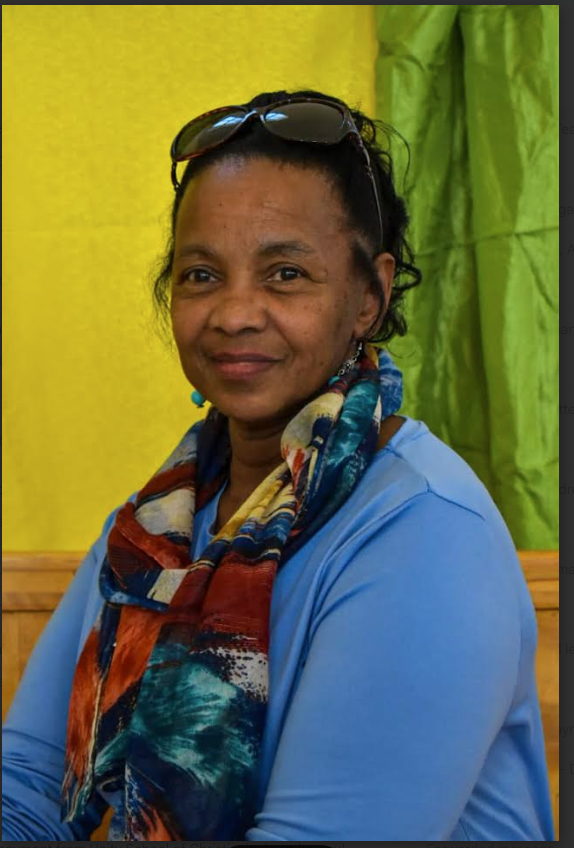
Martha Hagemann writes to inspire women to rise from pain and walk in purpose, with a passion for emotional healing and spiritual restoration. Living in Ariamsvlei, Namibia, she draws from the enduring power of love and the resilience of the land.
Return to top
