This is the name for the million skins
we undressed to cover our nakedness.
This animal that has been both canyon and creek, coat
and coat of arms. We named mountains for its head
while we feasted on its tail. When seared, the skin
blisters black and bends fetus shaped
like a chiton at low tide… As if the want for water
curls us all into commas. That heavy pause.
We long to live in our own limbs,
but we are grafted, cherry-picked—
tail of the beaver, tongue of the buffalo,
paw of the bear. We run our fingers through oiled fur,
tongue against smooth, scaled tail. Hungry
for our old, amphibious bodies.
Notes:
Beavers are literal creators of landscapes, and populations have plummeted due to historic fur trapping and modern challenges with habitat loss and human conflict. In losing beavers, we have lost the integrity of our riverscapes and fractured an ecosystem within our own selves—imbued as we are with animal instinct, animal awareness, and on a more figurative level, with beaver tail and buffalo tongue. I want to reach deeper even than that: into the skins of our ancestors from more than 360 million years ago, who crawled from water to land. These early, part-water/part-land amphibians led to the lineage that eventually produced reptiles, birds, and mammals, including humans. From such ancient knowing—from the more-than-human world, from the animal body, we might reharmonize ourselves with Earth and its creatures. And live more fully in our human limbs.
Wild Rose Hot Springs
The man beside us, from Idaho Falls, says this is where he comes
to shed his dead skin, like an unfolding chrysalis.
We are downstream and distant, but
basking in each other’s calluses.
My friend Lyn says this is where her husband proposed
to her the first time. The second time
he proposed in their kitchen, with lobster and several years
more sureness. They both said yes again.
This is where I saw my first and only monarch. A surprise and welcome
visitor: Candidate for gypsy fader of the century.
Lyn says, have you noticed the wholeness of milkweed leaves?
Hasn’t seen a single caterpillar yet this year. Instead,
the leaves are smooth and oval as mule deer ears.
Lonely as widowers… Aren’t we all secretly in love
with the ones who gnaw at us? Who taste the bitter
milk of our leaves, and still return for seconds?
Notes:
Hot springs are inherently such sensual places, imbued with cultural history, spiritual significance, lore. Skin cells and stories are shared with partners and strangers alike. The poem turns on the notion of memorable seconds: the proposal in the kitchen while lobster awaits, the second chances we give to “ones who gnaw at us,” like monarch caterpillars on their milkweed host plants. The poem celebrates those humans who continue to give us second chances when our own milk-leaves seem bitter. After all, what is more intimate than invertebrate-host plant relationships, honed over evolutionary time.
About the Author
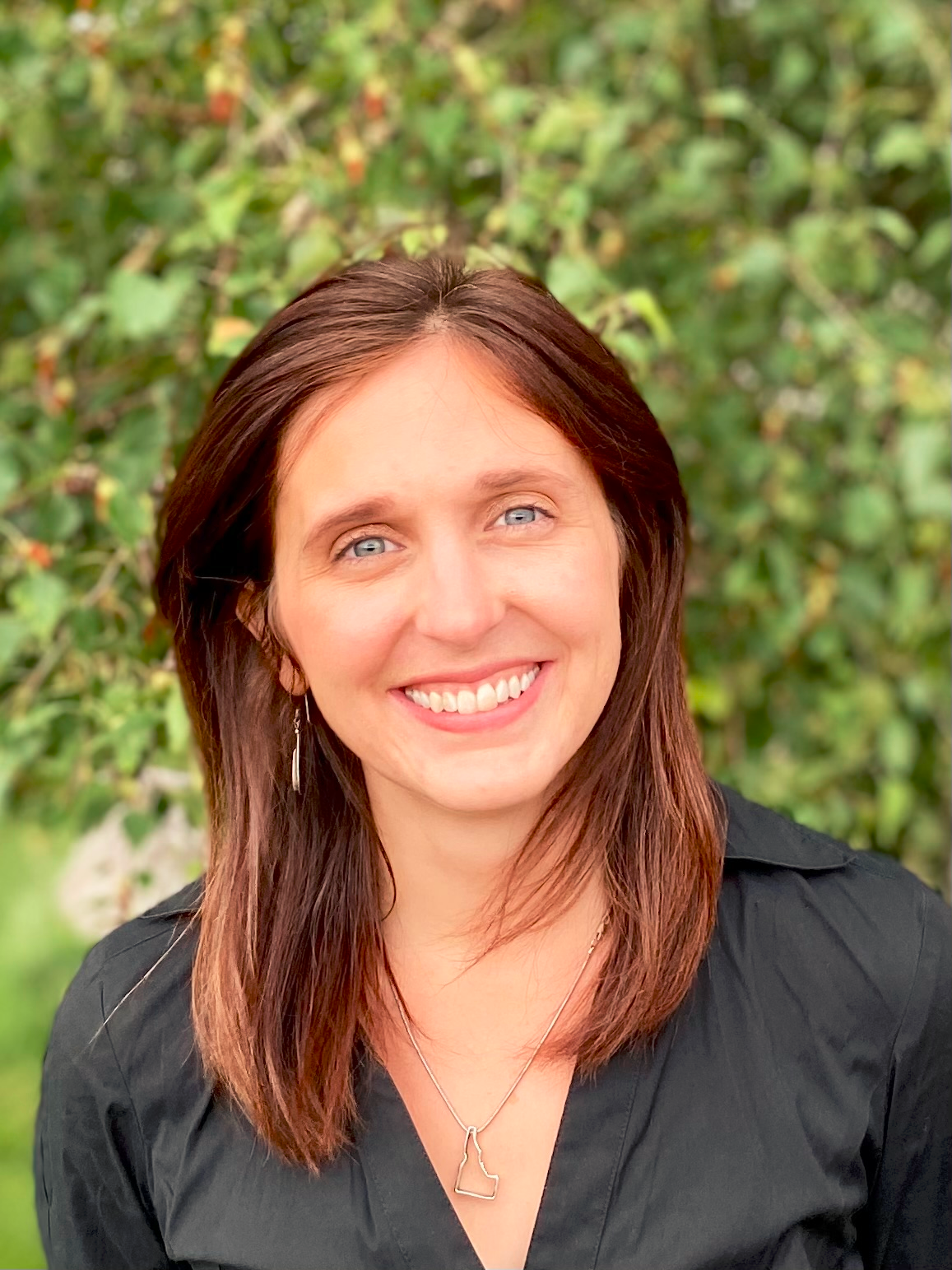
Keats Conley is a biologist from Idaho who works on at-risk species. Her first book of poems, Guidance from the God of Seahorses, won the Wandering Aengus Book Award and was published by Green Writers Press. Her poems have been published in journals such as Arkana, Animal, The Curlew, and saltfront.
Return to top
