We stand circling the shallow tank, sun at our backs
as the aquarium keeper tells us stories of rescue.
Each stingray is in this tank due to damages.
One was tangled up in a net, part of a fin severed.
There’s a ray with half a tail, stinger sliced off
by a boat propeller, most likely. Or a knife.
Another was caught in fishing wire:
its torn right fin no longer ripples like a wave,
but flutters, edge trailing like lost lace in the water.
There is another story not told this day.
One fog-thick night, boys climbed the walls
of the aquarium, roamed the grounds,
went from tank to tank. They captured
a cow-nosed ray and a shark, stabbed
and beat them to death. A brown nurse shark
named Michelle was dragged over asphalt,
her velvet skin torn and rent. From other tanks,
the boys gathered more sharks and small rays,
dumped them into the tanks with the large sharks,
presumably to watch them die. No one knows why.
We visitors bow our heads, drop our hands
into the water of the ray tank, keep them still and flat
as directed by the keeper. Their black velvet
meets our hands as leaves caress the wind.
Behind us, in the largest tank, a blind seal swims
in arcs; a half-flippered sea lion perches on a rock.
Our hands grow cold as the rays swim in circles
in their shallow arena, rising up to the surface
to our hands, as though they seek our touch,
as though knowing the difference between hands
that bind and beat and cut and hands that cut them free.
Notes:
The Aquarium of the Pacific in Long Beach, California is a wonderful place. I was an inaugural member, brought my children there from infanthood. When the break-in happened, it was shocking, terrible, and particularly painful as this aquarium was a sanctuary for animals who were injured and in need. The darkness that this seemed to unveil/reveal was stunning. There was much talk of having the boys come to the aquarium to learn, much talk of rehabilitation. The boys were sentenced in juvenile court after being caught soon after, trying to break in again. It was never clear what, exactly, happened to them. And then the story died. I’d always wondered what brought those boys there to do harm, and how, perhaps, they too had experienced damage in their lives. What did touch mean to them? Where was its absence? There is a kind of intimacy in violence as there is in loving touch. What makes us turn from one to another?
Prior to these incidents, visiting the touch tanks, I was struck by the ease with which all of us—stingray, keeper, visitor—interacted. Or what I thought was interaction; clearly, I couldn’t be sure. But the moment of touch felt sublime to me. It felt like trust. In the moment this group of strangers stood around that tank, heard the stories of the aquarium keeper, and gently, carefully, lowered our hands into the water, there was a silent communication, a freedom that was engendered through care, shared purpose, and gentle touch. We were there to bear witness to what had been done, and to bear witness to the process of healing.
About the Author
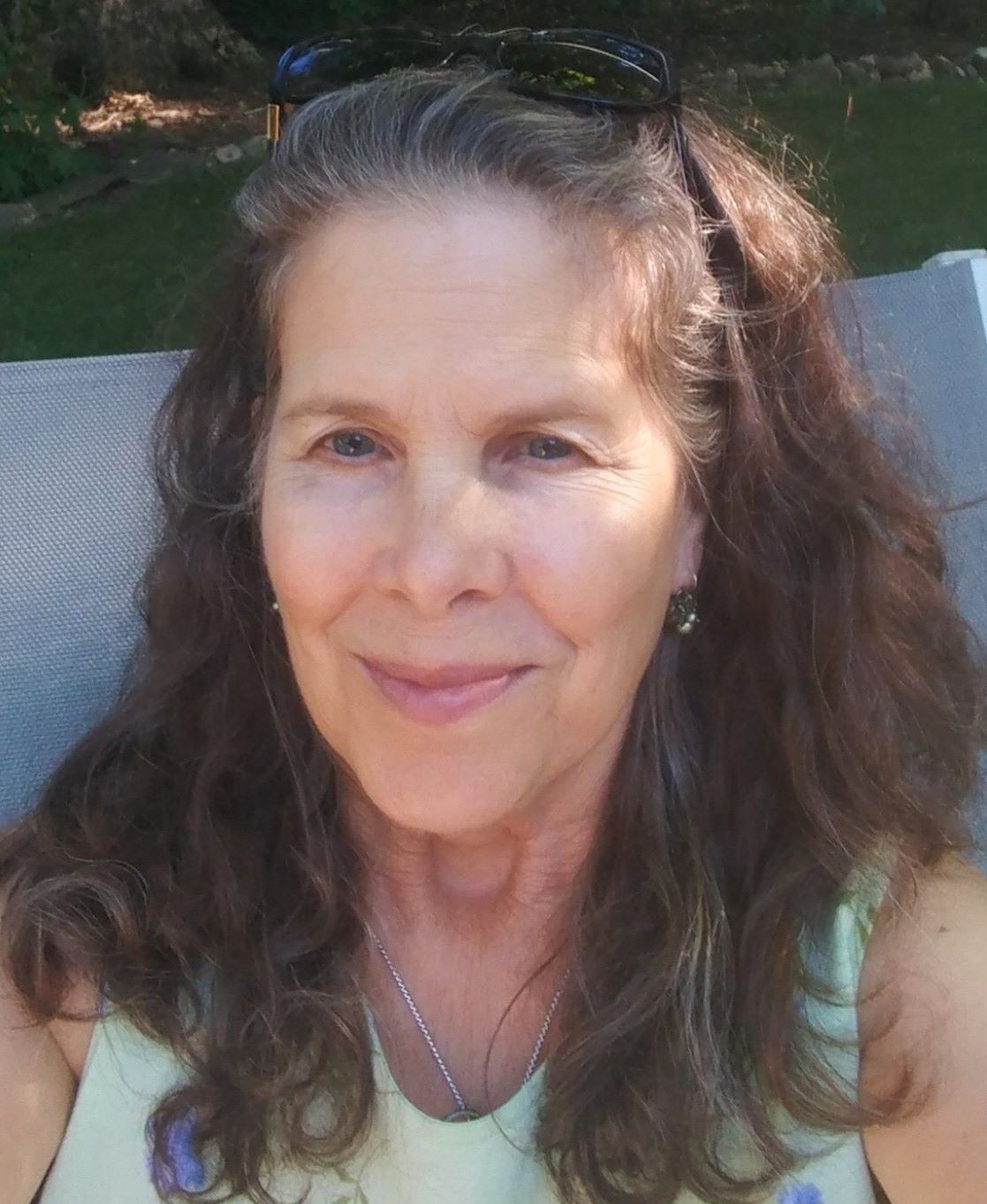
Adrienne Pilon is a poet, essayist, teacher, and traveler. Writing interests include climate and human impact/interaction on the planet, illness, and the intersection of these. Recent work appears in Solstice, Tendon Magazine, The Linden Review and elsewhere. She served as editor for Boomer Lit Mag and Poets Reading the News and currently reads poetry submissions for Kitchen Table Quarterly. She lives in North Carolina with her family, but is often found in California.
Return to top
